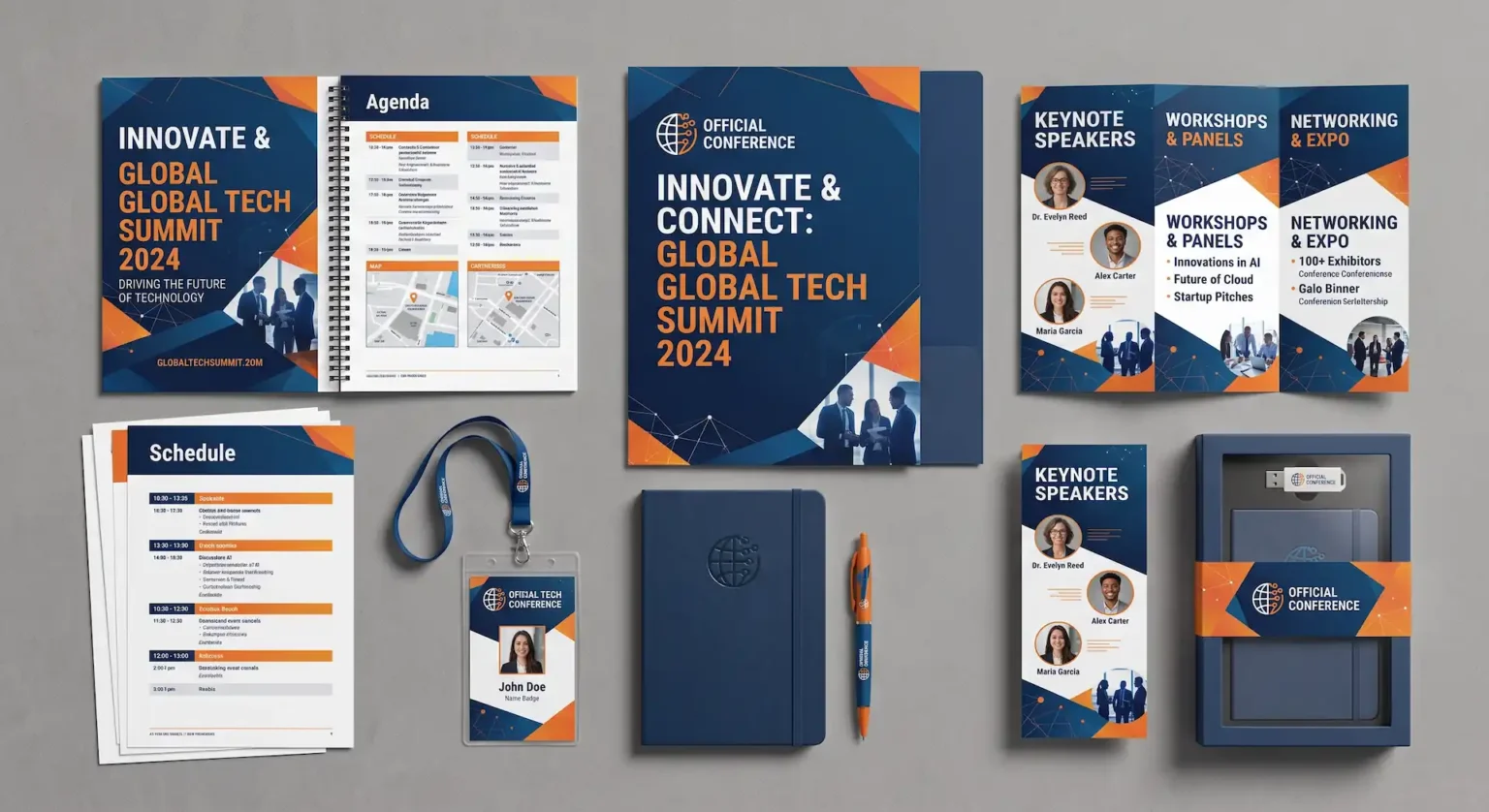
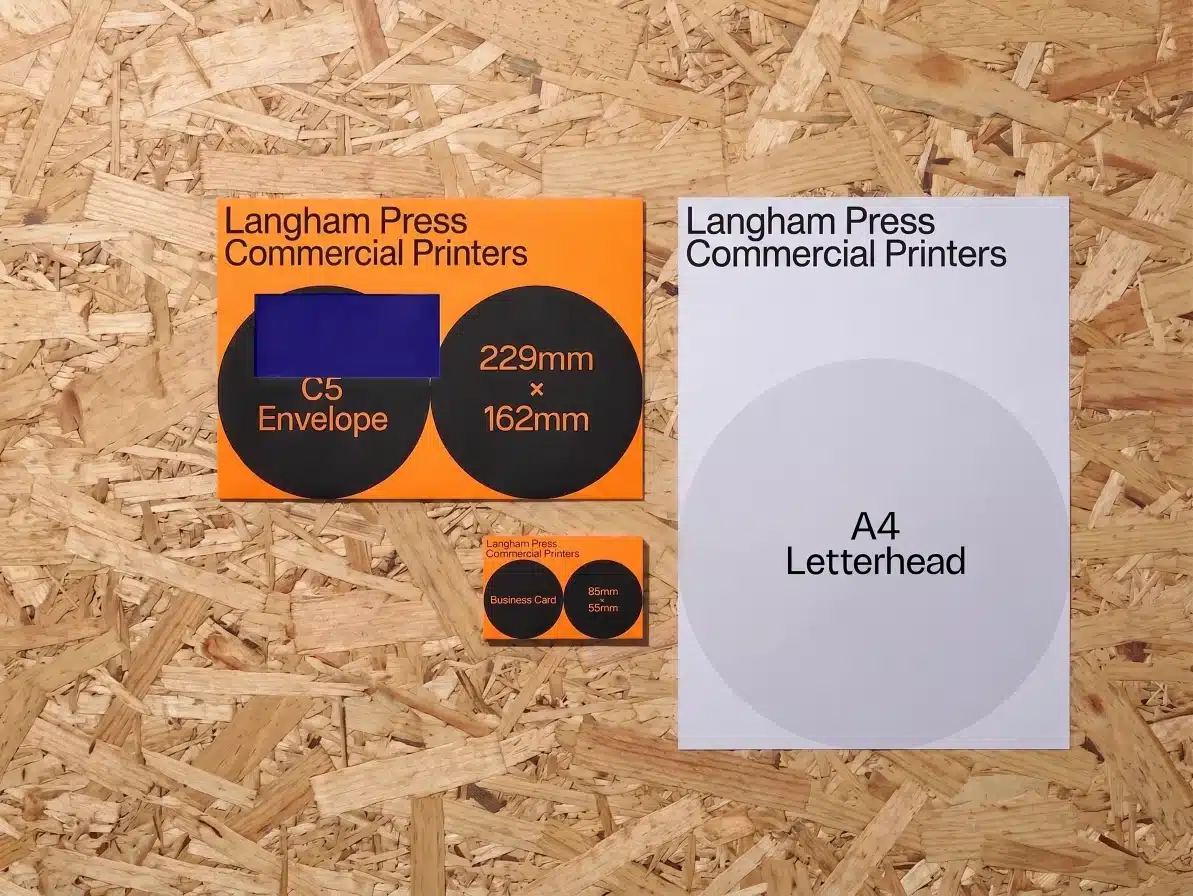
Every piece in the pack, ready from day one
For annual conferences, training programmes and recurring events, we keep your job specifications on file. When it’s time to print again, we can refer to the previous paper, colours, quantities and finishing, helping you maintain a consistent look from one event to the next.
Made to your specification
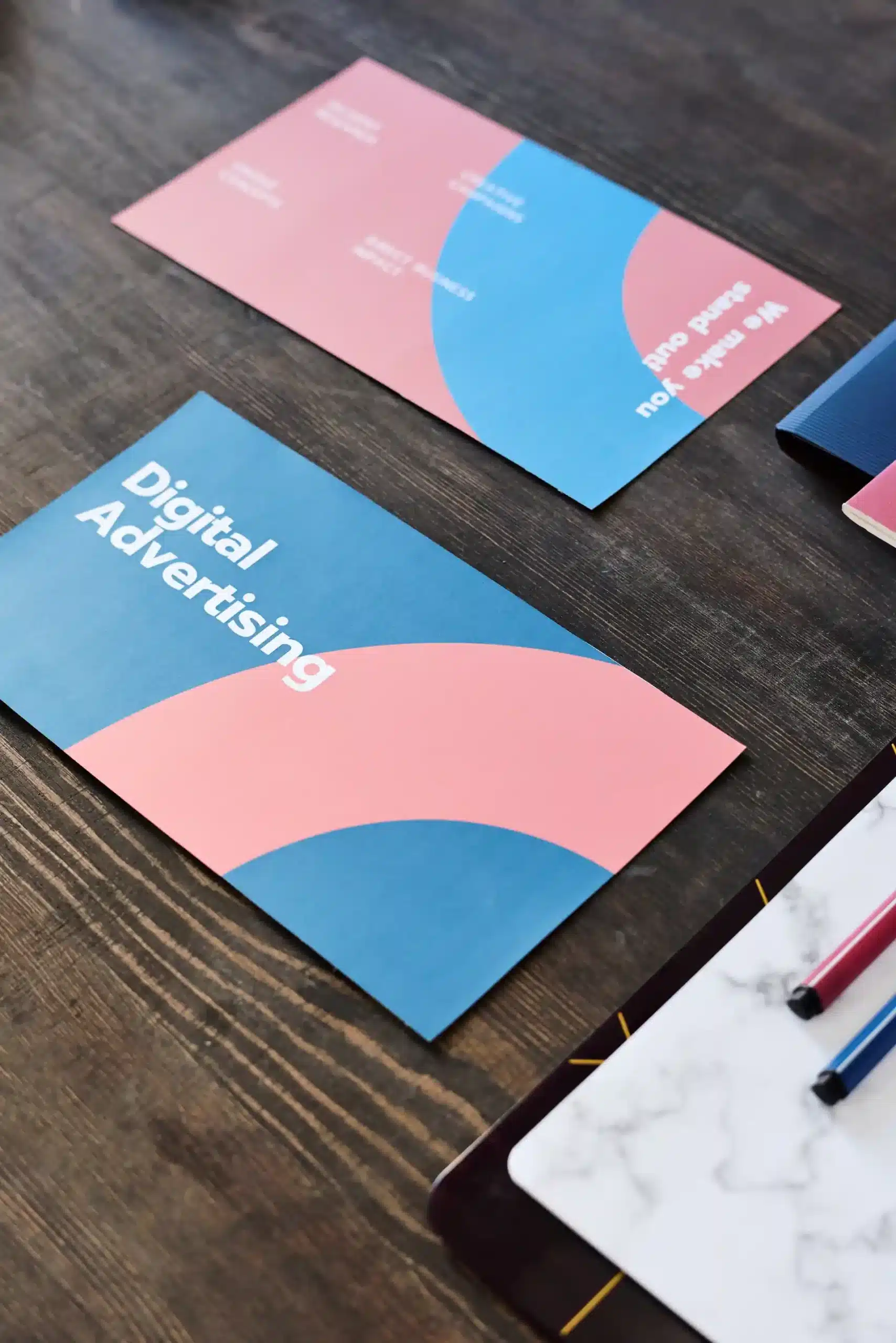
Personalisation is driven from your delegate data, which needs to be supplied in an agreed structured format before production begins. We’ll confirm exactly what we need when we quote and check the supplied data for obvious issues, such as missing fields or duplicate entries, before it goes into production.
We can also organise and label boxes by session, room, workshop, table or delegate group, making it straightforward for your event team to get the right packs to the right place.
Without assembly, your folders, notebooks, programmes and other materials arrive separately — leaving someone on your team to spend valuable time collating and stuffing packs before the event.
With Langham Press, your conference packs can arrive assembled, organised and ready to hand out from the moment you open the boxes.
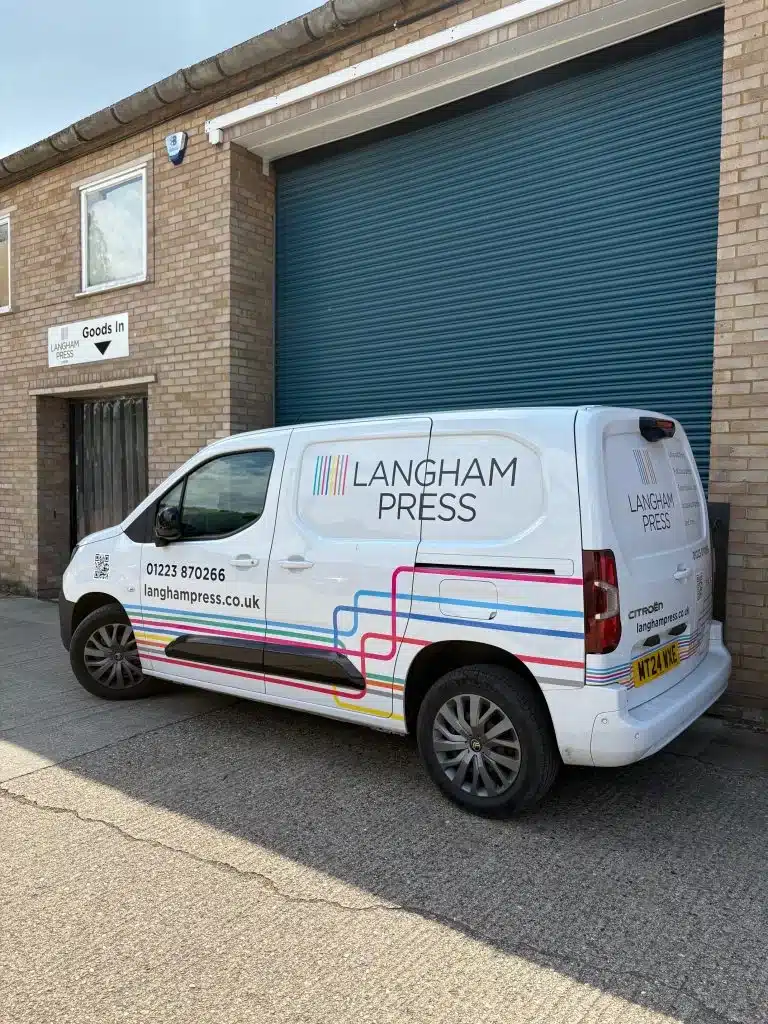
Your packs can be delivered directly to the venue, sent to your office for checking or distributed individually to delegates. For hybrid and remote events, we can manage multiple delivery addresses too, so everyone gets the materials they need wherever they’re attending.
Delivery is planned into the job from the outset. If your conference materials need to be at a venue by a particular date, we build that requirement into the production schedule rather than treating delivery as an afterthought.
You concentrate on running the event. We’ll make sure the print is produced, packed and sent where it needs to go.
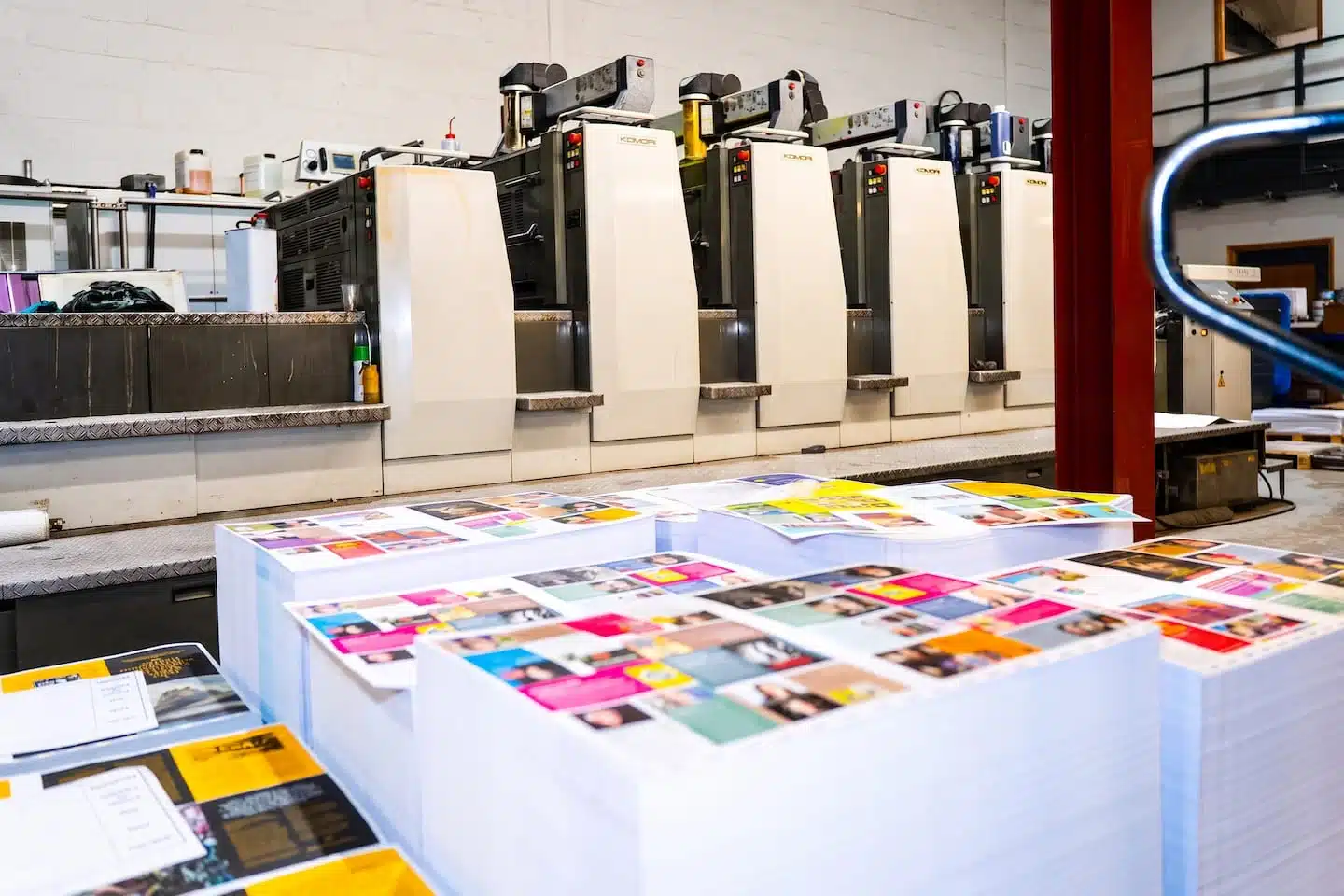
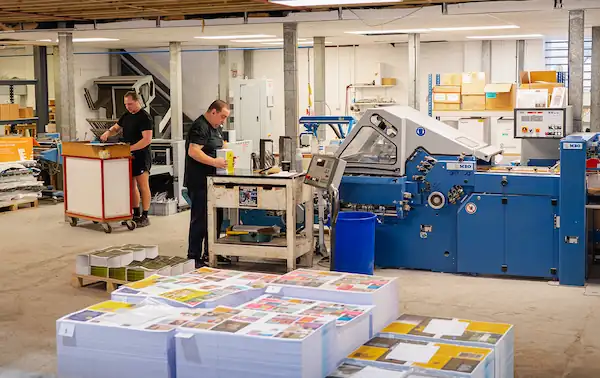
For smaller events, digital printing keeps shorter runs economical, while lithographic printing can become more cost-effective as quantities increase. Personalised elements are produced digitally, so we can combine both print methods within the same project where it makes sense.
The result is a conference pack produced in the most cost-effective way for your quantity and specification — rather than making your event fit a particular print process.
Made for how you'll use them

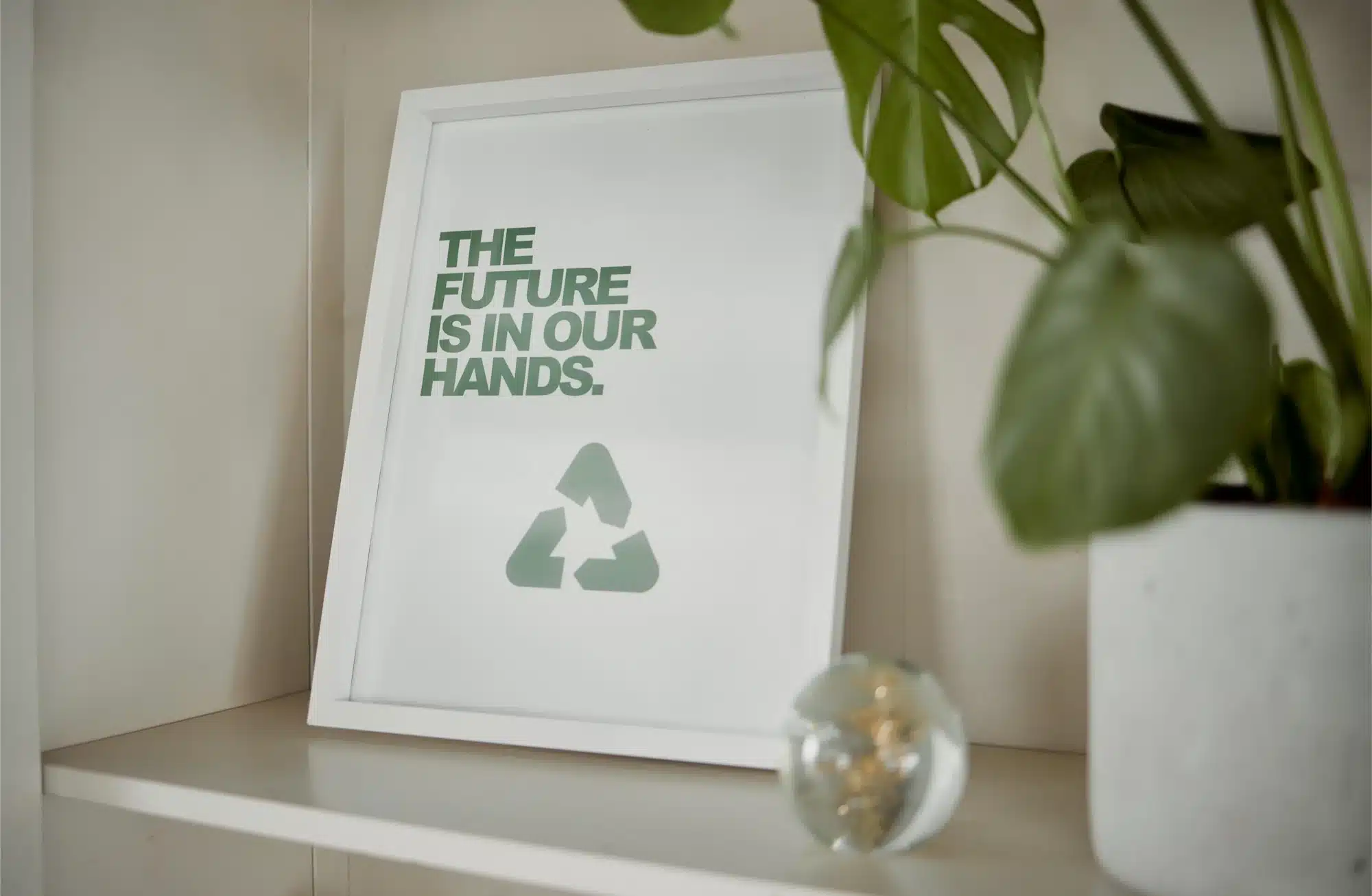
Our pledge to be Eco-Friendly printers
Our Process.



01.Initial brief
02.Component specification
03.Proofing
04.Production
Initial Brief.
Tell us about your event — the date, delegate numbers, what you need in each pack, you’re branding and any delivery requirements. We’ll use that information to build the right specification from the start.
Component Specification.
We’ll work through every element of your conference pack individually, confirming the paper, print, finishing, binding and branding before production begins.
Proofing.
You’ll receive a proof of every component before the full pack goes into production, giving you the opportunity to check content, branding, positioning and important details across the complete set.
Production.
Once everything is approved, we coordinate the printing, finishing, assembly and packing of every component, keeping the whole conference pack moving through production as one managed project. Multi-component packs naturally need more production time than a single print job, so the earlier we have your brief, the more comfortably we can plan each stage around your event date.




Frequently asked questions
Contact our team and we'll be happy to discuss your query.
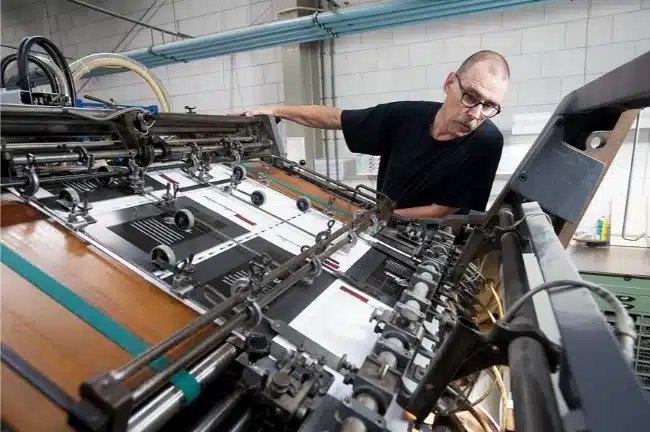
The process uses printing plates to transfer ink via a rubber blanket onto the paper. It takes more time to set up than digital printing, but once the press is running it can produce larger quantities very efficiently and economically.
If your job could be produced either way, we’ll compare litho and digital and recommend the process that gives you the right balance of quality, quantity and cost.
As the quantity increases, however, the cost per copy can fall significantly, making litho particularly cost-effective for larger print runs. It also offers excellent colour consistency and a wide choice of papers and finishes.
As a general guide: shorter runs tend to suit digital, while larger runs often favour litho. Tell us what you’re producing and how many you need, and we’ll compare the options and recommend the most cost-effective way to print it.