The cover on your best work
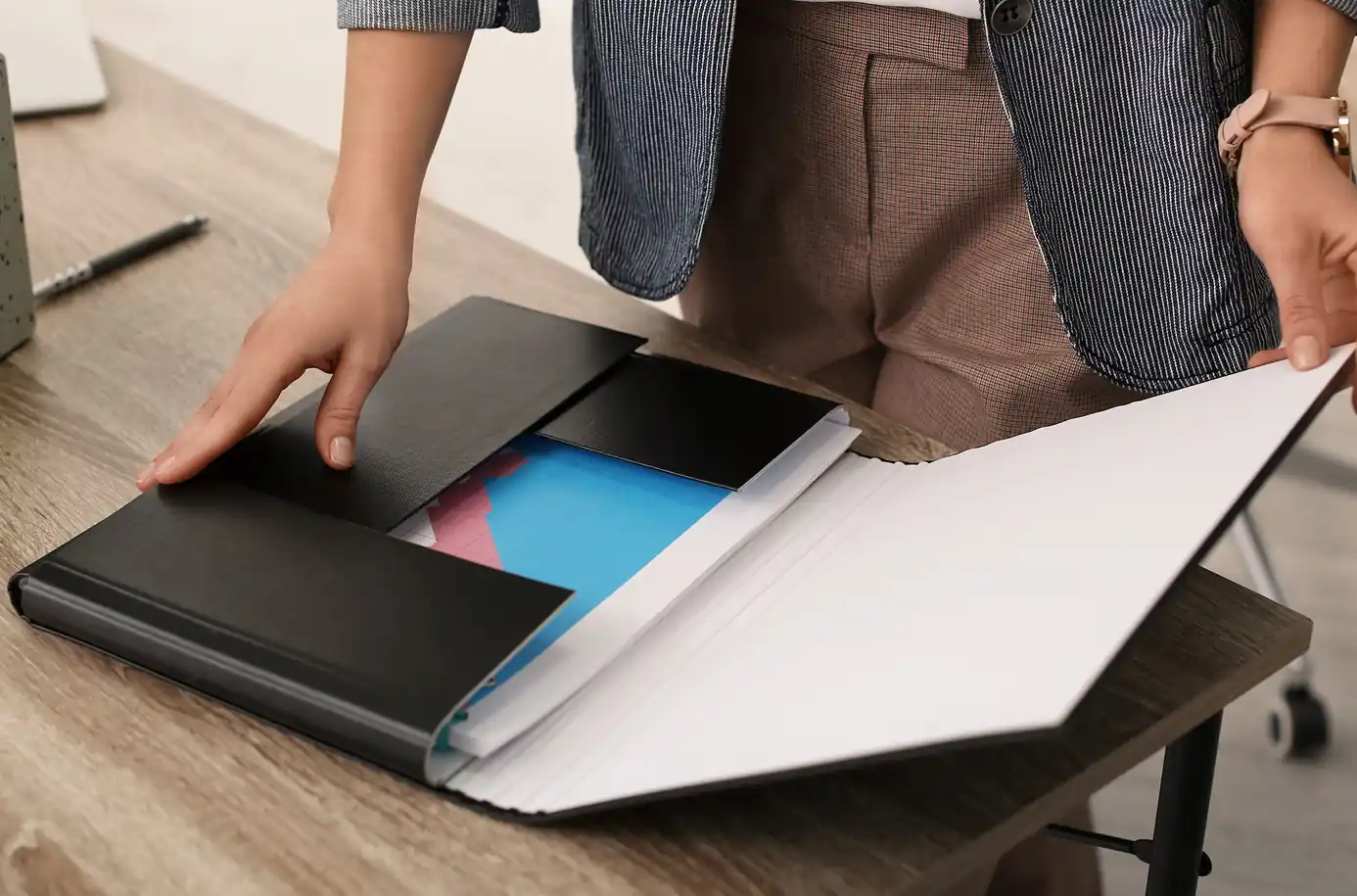
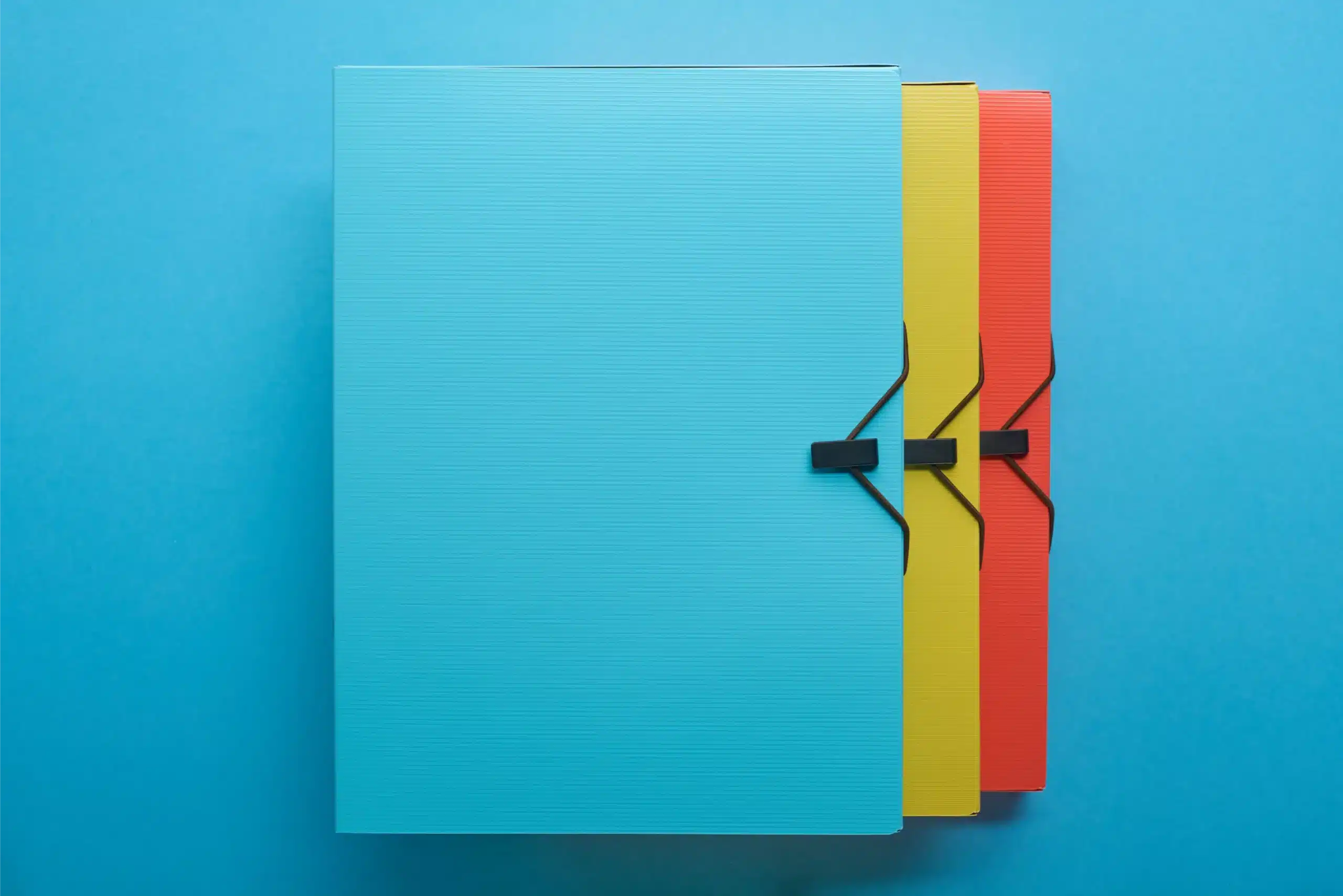
When you’ve put time into a proposal, tender or presentation, the way you hand it over matters too. Our custom printed presentation folders give your documents a professional, branded finish and keep everything neatly together.
Printed in Cambridge, they’re available with a choice of pocket styles, capacities, papers and finishes, including lamination and metallic foiling. From a simple quotation to a substantial tender document, we’ll help you specify a folder that looks the part and comfortably holds everything you need.
Printed in Cambridge, they’re available with a choice of pocket styles, capacities, papers and finishes, including lamination and metallic foiling. From a simple quotation to a substantial tender document, we’ll help you specify a folder that looks the part and comfortably holds everything you need.
Get A Quote
Made to your specification
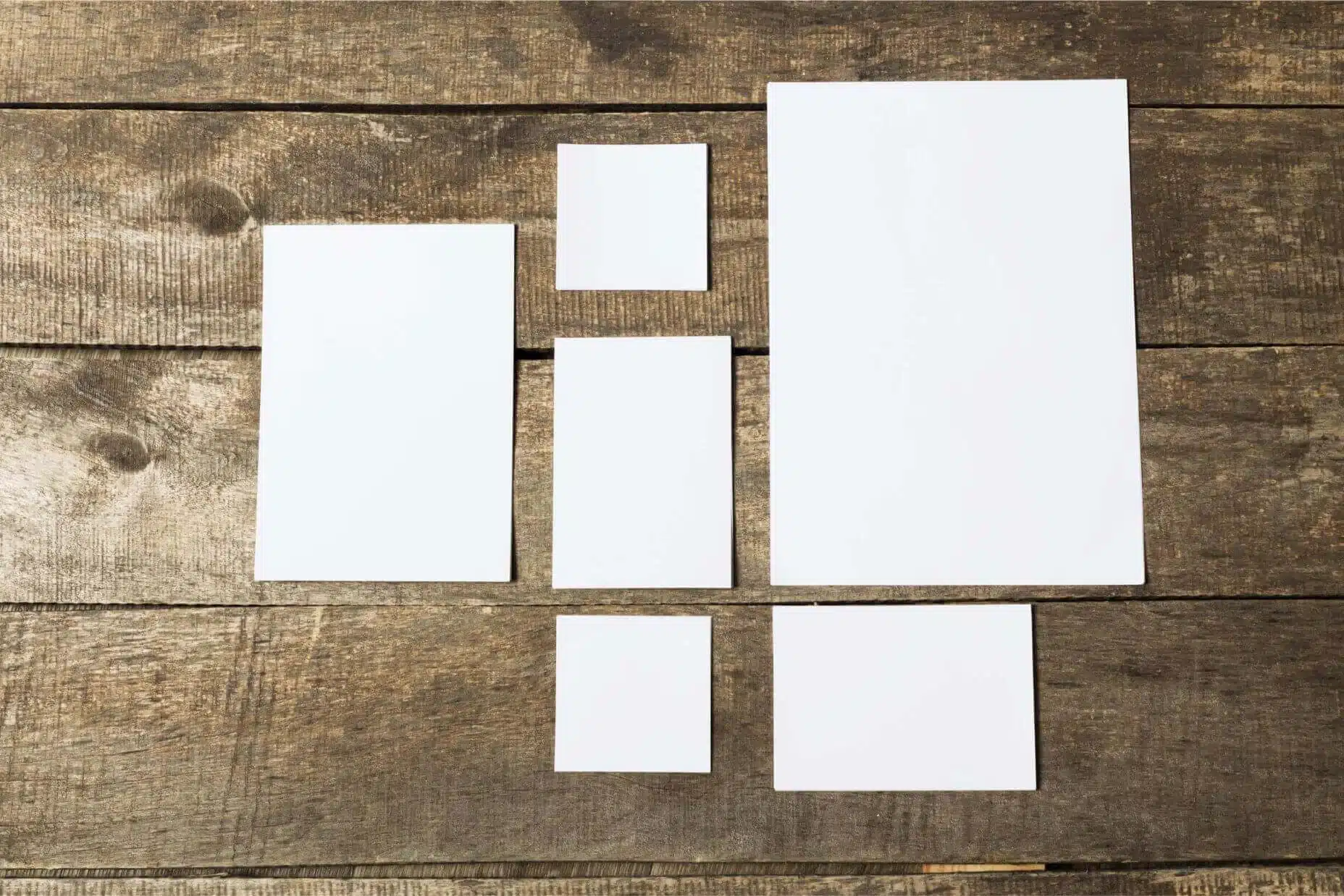
The right presentation folder starts with what you need to put inside it. A4 is the most common choice, comfortably holding letterheads, proposals, brochures and printed reports without folding. A5 works well for smaller inserts, event materials and compact information packs.
If your contents aren’t a standard size — or you need to accommodate something with more depth, such as a booklet, catalogue or sample — we can specify the folder accordingly, including additional capacity where required.
If your contents aren’t a standard size — or you need to accommodate something with more depth, such as a booklet, catalogue or sample — we can specify the folder accordingly, including additional capacity where required.
You don’t need to work out the dimensions yourself. Tell us what needs to go inside and Langham Press will work back from the contents to create a folder that fits properly.
Choosing the right board for your presentation folder
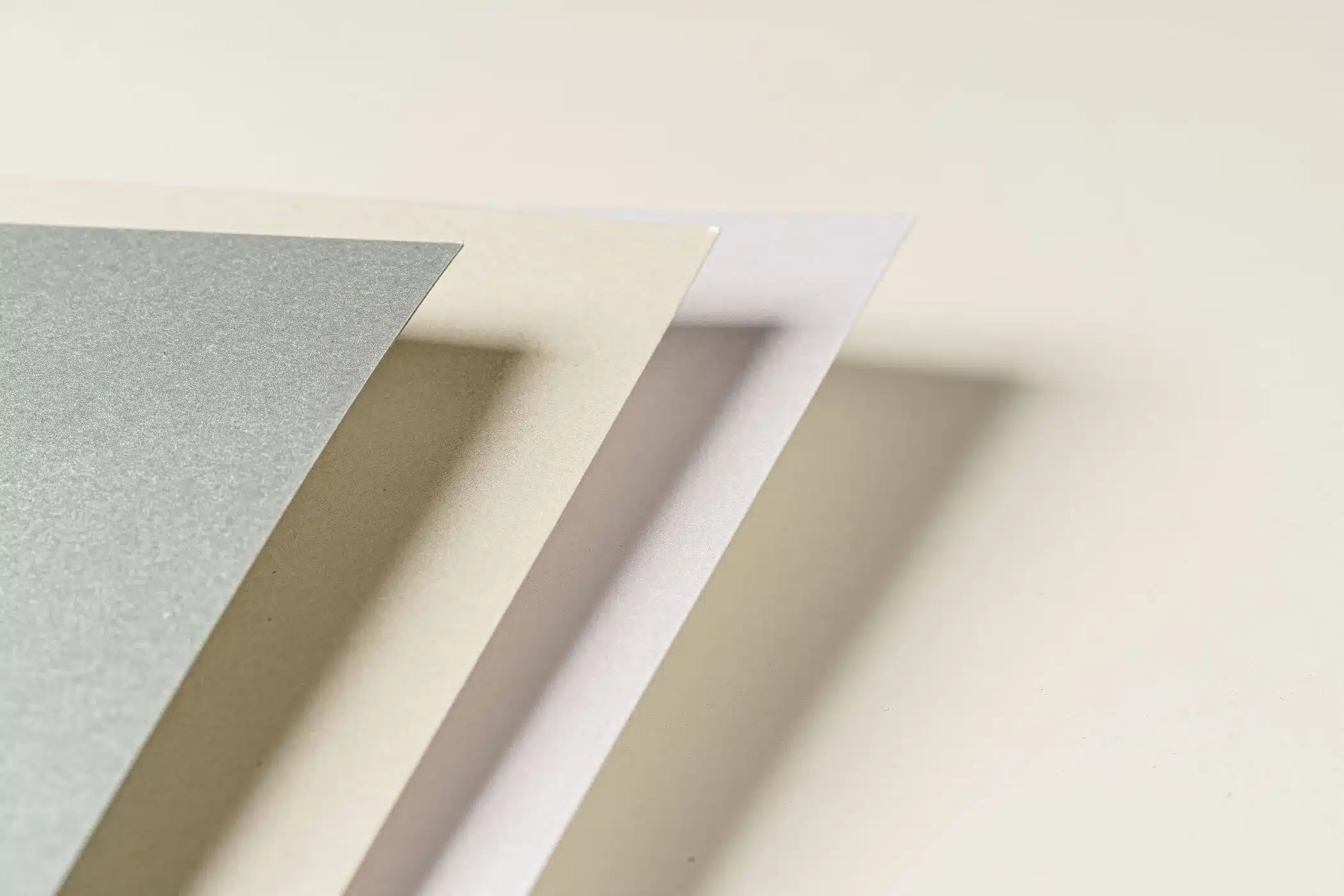
A presentation folder needs enough strength to hold its shape when filled, while still folding and performing properly. That’s why the weight and type of board matter just as much as the design.
300gsm is a practical choice for lighter folders holding a small number of sheets. Moving up to 350–400gsm creates a more substantial folder with greater rigidity — particularly useful for tenders, proposals, pitches and presentation packs where the folder itself forms part of the first impression.
Recycled boards are available across the range and FSC®-certified presentation folders are available on request. Please specify FSC® certification when requesting your quotation or placing your order.
300gsm is a practical choice for lighter folders holding a small number of sheets. Moving up to 350–400gsm creates a more substantial folder with greater rigidity — particularly useful for tenders, proposals, pitches and presentation packs where the folder itself forms part of the first impression.
Recycled boards are available across the range and FSC®-certified presentation folders are available on request. Please specify FSC® certification when requesting your quotation or placing your order.
Not sure which weight you need? Tell us what your folder needs to hold and we’ll recommend the right board for the job.
Keep everything organised, secure and easy to present
The right pocket layout keeps everything in its place and makes your folder easier to use. A single pocket is ideal for a straightforward set of documents, while two pockets allow different materials to be kept separate — useful when you want to organise proposals, brochures, price lists or supporting information within the same folder.
Gussets add extra capacity, allowing the pocket to accommodate thicker contents such as booklets, catalogues, samples or substantial document sets without forcing the folder out of shape.
Shaped pockets can be cut with curves, angles or other profiles, revealing part of the contents and giving the inside of the folder a more distinctive, designed appearance.
A business-card slot keeps your card securely in place as part of the presentation, rather than leaving it loose inside the folder or having to hand it over separately.
Gussets add extra capacity, allowing the pocket to accommodate thicker contents such as booklets, catalogues, samples or substantial document sets without forcing the folder out of shape.
Shaped pockets can be cut with curves, angles or other profiles, revealing part of the contents and giving the inside of the folder a more distinctive, designed appearance.
A business-card slot keeps your card securely in place as part of the presentation, rather than leaving it loose inside the folder or having to hand it over separately.
Tell us what needs to go inside your folder and we’ll recommend the pocket style and capacity that will hold everything properly.
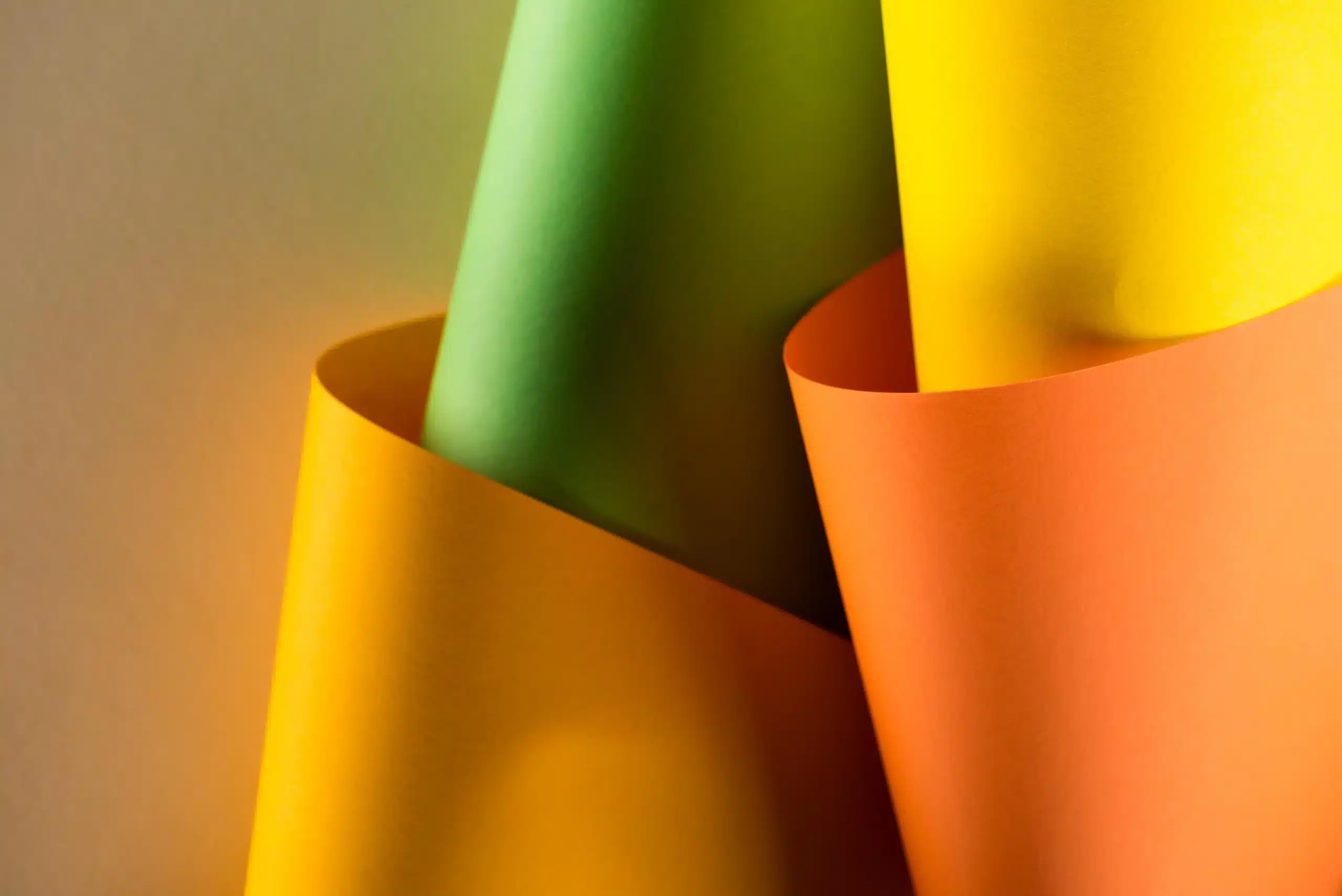
The right finish can make your presentation folder more durable, more distinctive and better suited to the way it will be used.
Lamination protects the printed surface from scuffing and regular handling while also changing the appearance of the print. Matte gives a smooth, understated finish, while gloss enhances colour and contrast. Biodegradable lamination is also available as an alternative to conventional plastic films.
And don’t overlook the inside. Your folder can be printed in full colour inside as well as outside, giving you another opportunity to carry your branding, messaging or imagery through the presentation — on the very surface your customer sees as they remove the contents.
Metallic foiling can highlight a logo, name or other design element with a reflective finish, while die-cutting can create windows, shaped edges and cut-outs that reveal part of the contents or become part of the design itself.
Lamination protects the printed surface from scuffing and regular handling while also changing the appearance of the print. Matte gives a smooth, understated finish, while gloss enhances colour and contrast. Biodegradable lamination is also available as an alternative to conventional plastic films.
And don’t overlook the inside. Your folder can be printed in full colour inside as well as outside, giving you another opportunity to carry your branding, messaging or imagery through the presentation — on the very surface your customer sees as they remove the contents.
Metallic foiling can highlight a logo, name or other design element with a reflective finish, while die-cutting can create windows, shaped edges and cut-outs that reveal part of the contents or become part of the design itself.
Tell us how you want your folder to look, feel and be used, and we’ll recommend the finishes that will add something to the job — rather than simply adding to the cost.
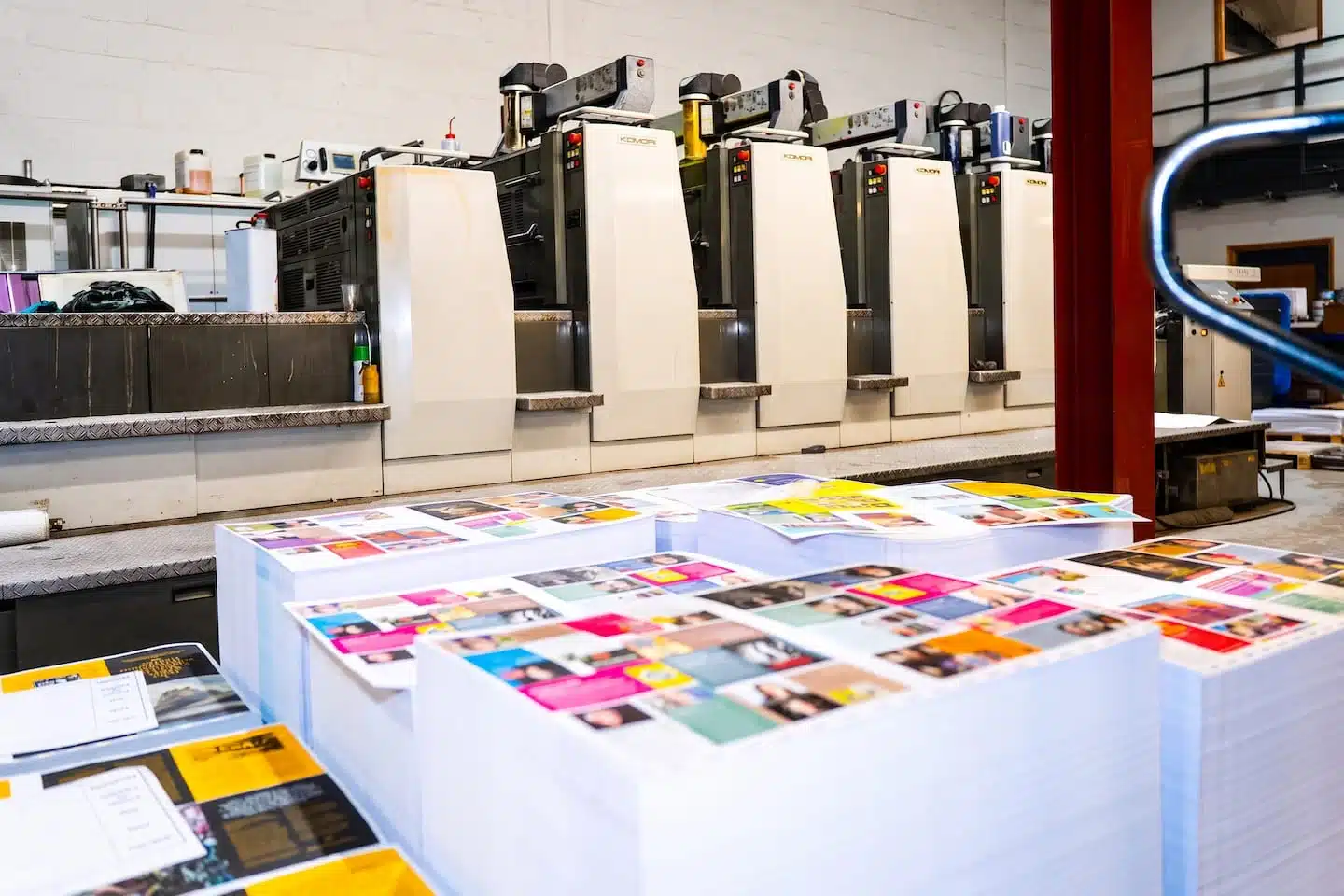
Folders are cut to shape using a cutter forme, a shaped blade that stamps out the flat folder before it's creased and folded.
We hold a range of standard formes covering the common folder shape, making it the more economical route for smaller quantities.
A bespoke forme is made specifically for your design, which allows any shape, pocket profile or cut-out you want. There's a one-off cost to produce it, so it makes most sense at higher quantities, or where the folder will be reordered over time.
We hold a range of standard formes covering the common folder shape, making it the more economical route for smaller quantities.
A bespoke forme is made specifically for your design, which allows any shape, pocket profile or cut-out you want. There's a one-off cost to produce it, so it makes most sense at higher quantities, or where the folder will be reordered over time.
Presentation folder use cases

Our pledge to be Eco-Friendly printers
Sustainability isn’t a buzzword for us it’s a core commitment. FSC®-certified print available on request, alongside recycled paper options, vegetable-based inks, 100% renewable electricity and our waste-reduction initiatives. Carbon-balanced papers available through partnerships with paper suppliers offsetting emissions from paper production and distribution.
Learn more




Frequently asked questions
Don't see your questions answered?
Contact our team and we'll be happy to discuss your query.
Contact our team and we'll be happy to discuss your query.
Contact Us
Lithographic printing — litho for short — is a great choice when you need a larger quantity of high-quality print with consistent colour from the first copy to the last. It’s particularly well suited to brochures, books, magazines, reports and other publications where quality and cost across a longer run matter.
The process uses printing plates to transfer ink via a rubber blanket onto the paper. It takes more time to set up than digital printing, but once the press is running it can produce larger quantities very efficiently and economically.
If your job could be produced either way, we’ll compare litho and digital and recommend the process that gives you the right balance of quality, quantity and cost.
The process uses printing plates to transfer ink via a rubber blanket onto the paper. It takes more time to set up than digital printing, but once the press is running it can produce larger quantities very efficiently and economically.
If your job could be produced either way, we’ll compare litho and digital and recommend the process that gives you the right balance of quality, quantity and cost.
Litho printing uses printing plates to transfer ink onto paper and is particularly suited to larger print runs, offering excellent colour consistency, sharp detail and a wide choice of papers and finishes. Digital printing prints directly from a digital file without the need for printing plates, making it ideal for shorter runs, fast turnaround, personalised printing and projects where quantities or content may vary.
Not generally. Digital printing allows us to produce very small quantities economically, so if you only need a handful of copies, that’s fine. Litho printing has more setup involved and becomes more cost-effective as quantities increase. Tell us what you need and how many you’re likely to use, and we’ll recommend the most sensible quantity and print method for your budget.
Quickly. Send us the details of your job and we’ll usually get a quote back to you the same working day. If you know the quantity, finished size, paper and finishing you need, include those too — but if you’re not sure, that’s fine. Tell us what you’re trying to produce and we’ll help you work out the best specification.
Not necessarily — it largely depends on how many copies you need. Litho has higher setup costs because printing plates must be produced and the press prepared, so for smaller quantities digital will usually be more economical.
As the quantity increases, however, the cost per copy can fall significantly, making litho particularly cost-effective for larger print runs. It also offers excellent colour consistency and a wide choice of papers and finishes.
As a general guide: shorter runs tend to suit digital, while larger runs often favour litho. Tell us what you’re producing and how many you need, and we’ll compare the options and recommend the most cost-effective way to print it.
As the quantity increases, however, the cost per copy can fall significantly, making litho particularly cost-effective for larger print runs. It also offers excellent colour consistency and a wide choice of papers and finishes.
As a general guide: shorter runs tend to suit digital, while larger runs often favour litho. Tell us what you’re producing and how many you need, and we’ll compare the options and recommend the most cost-effective way to print it.
For all jobs we provide a pdf proof so you can check that everything looks right before we print the job. A printed proof for you to check can be built into the estimate so you just have to ask when you request your quote.
Straight-forward. You tell us your requirements and we send a quote. Once you are happy you send us your artwork, we then provide a pdf proof for sign-off. We then print, finish and despatch your job.
FSC®-certified print available on request, alongside recycled paper options, vegetable-based inks, 100% renewable electricity and our waste-reduction initiatives.
Get a quote for presentation folders
Tell us what you need and we'll come back with pricing and turnaround, usually within one working day.