Get the word out, in style
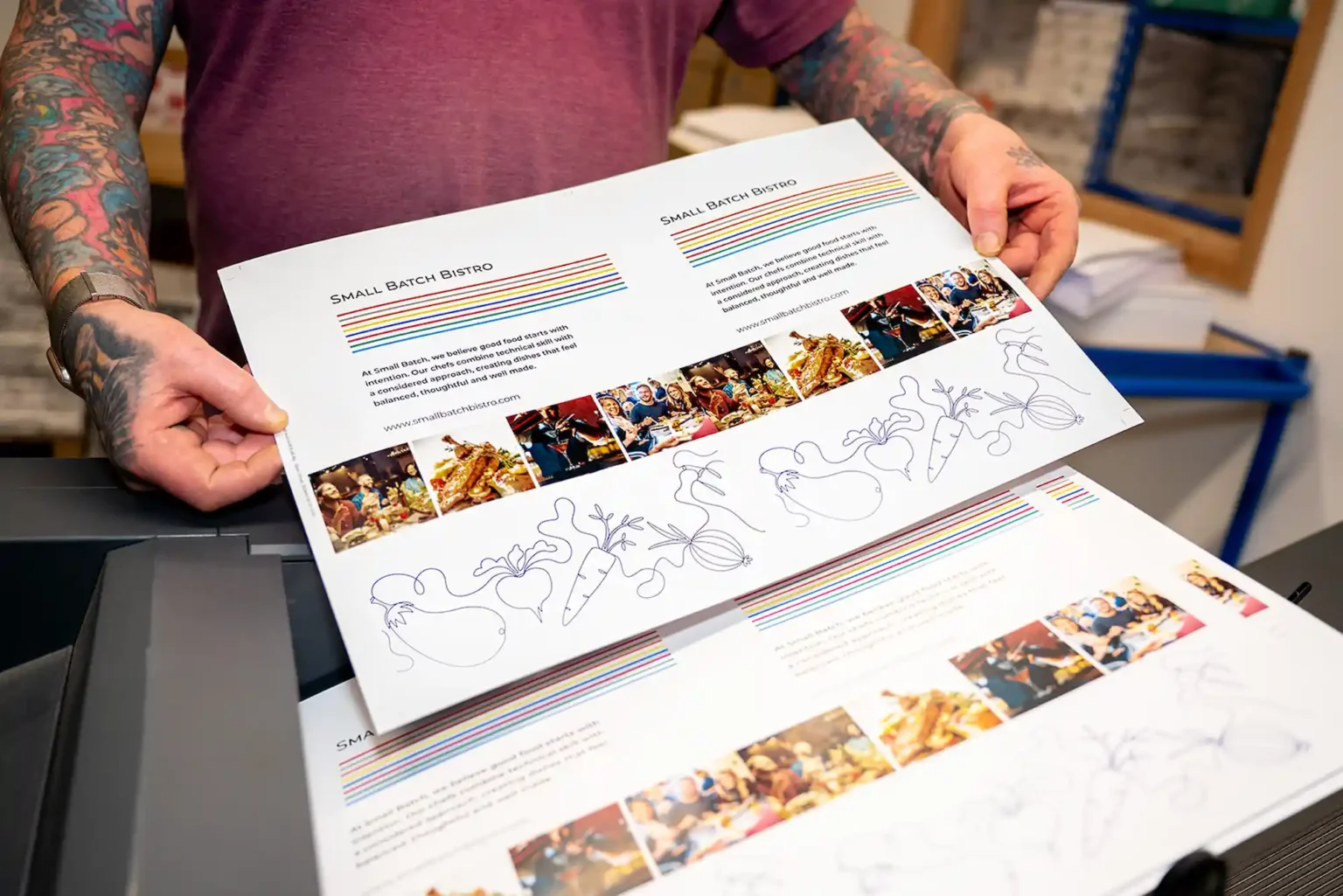
Flyers and leaflets are some of the most frequently produced items at Langham Press, promoting everything from events and fundraisers to seasonal campaigns and special offers for charities, schools and local businesses.
We print across a full range of sizes and paper weights, with quantities that flex from a single campaign run to ongoing top-ups once stock starts running low. A wide range of FSC®-certified papers is available, and we print using vegetable-based inks. FSC®-certified products are available on request — please specify FSC® certification when requesting a quotation or placing your order.
We print across a full range of sizes and paper weights, with quantities that flex from a single campaign run to ongoing top-ups once stock starts running low. A wide range of FSC®-certified papers is available, and we print using vegetable-based inks. FSC®-certified products are available on request — please specify FSC® certification when requesting a quotation or placing your order.
Get A Quote
Made to your specification
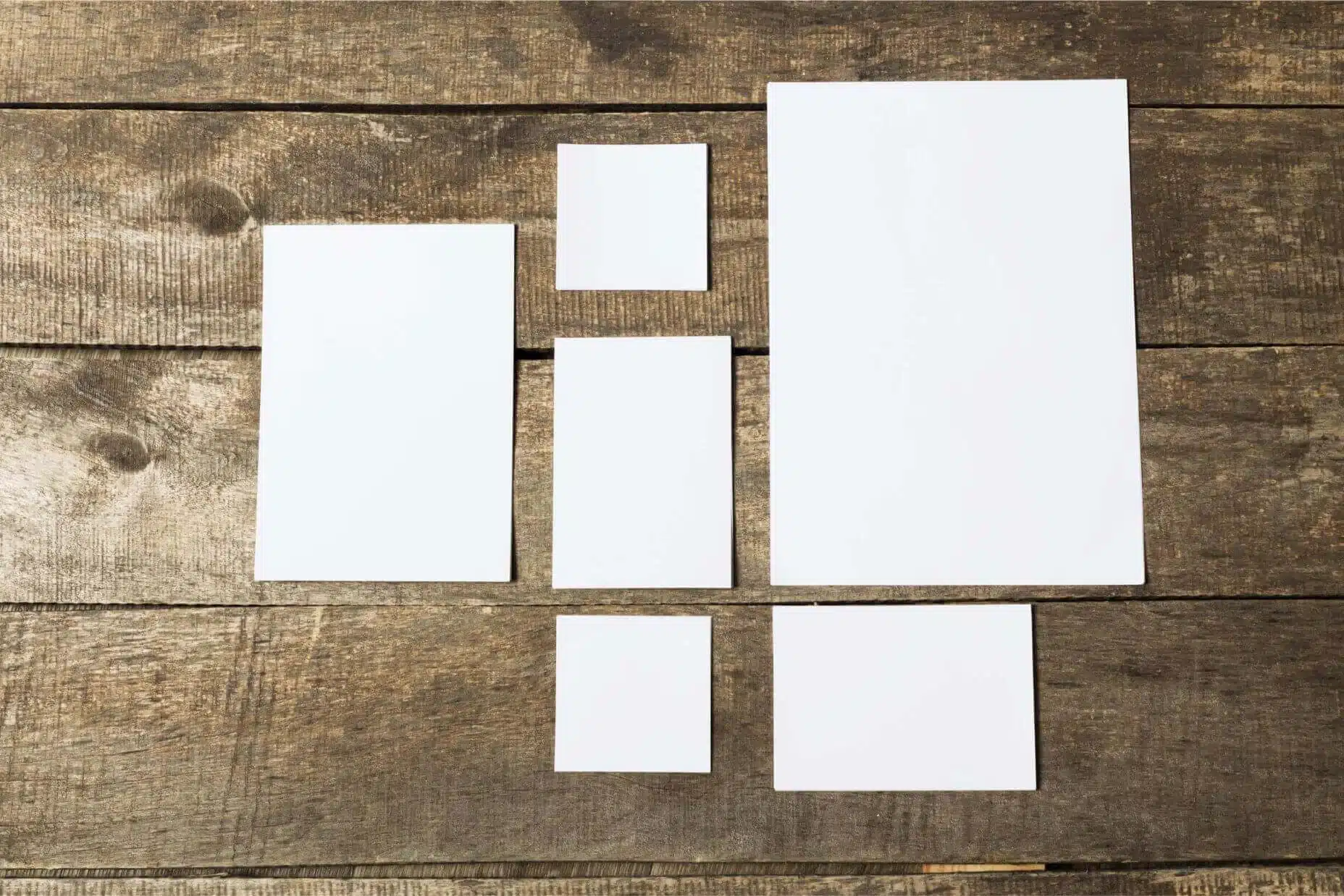
A5 is the most widely used leaflet size, large enough to carry a clear message and small enough to hand out or post. A4 suits detailed information, price lists and menus. DL fits a standard envelope and a leaflet dispenser without folding, which makes it the usual choice for direct mail and reception displays. A6 works as a handout or insert where cost per piece matters.
If none of those fit the job, we'll cut to a bespoke size. It's always worth checking the dimensions against your envelopes, dispensers or display stands before the artwork is finalised.
If none of those fit the job, we'll cut to a bespoke size. It's always worth checking the dimensions against your envelopes, dispensers or display stands before the artwork is finalised.
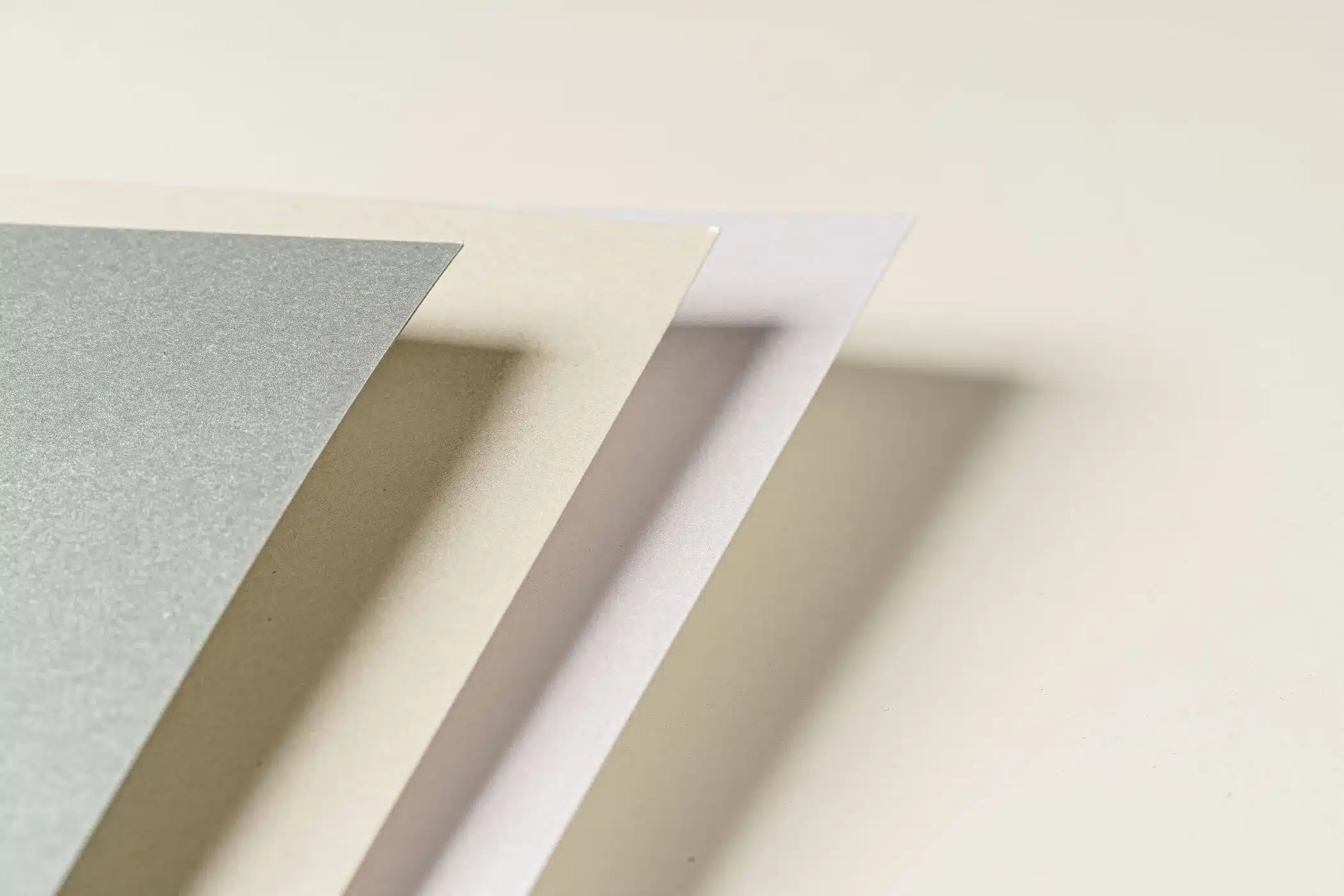
Weight sets the impression a leaflet makes. Lighter papers from 90 to 130gsm suit high-volume distribution, inserts and direct mail where postage weight is a factor. Mid-weight papers around 150 to 200gsm feel more substantial and hold a fold cleanly. Heavier stocks up to 350gsm work well for single-sheet leaflets, menus and anything that needs to stand up in a display or withstand repeated handling.
Coated papers give sharper images and stronger colour, making them well suited to photography-led designs. Uncoated papers have a more natural feel, are easier to write on and suit a more understated look. FSC®-certified paper options are available across the range.
Coated papers give sharper images and stronger colour, making them well suited to photography-led designs. Uncoated papers have a more natural feel, are easier to write on and suit a more understated look. FSC®-certified paper options are available across the range.
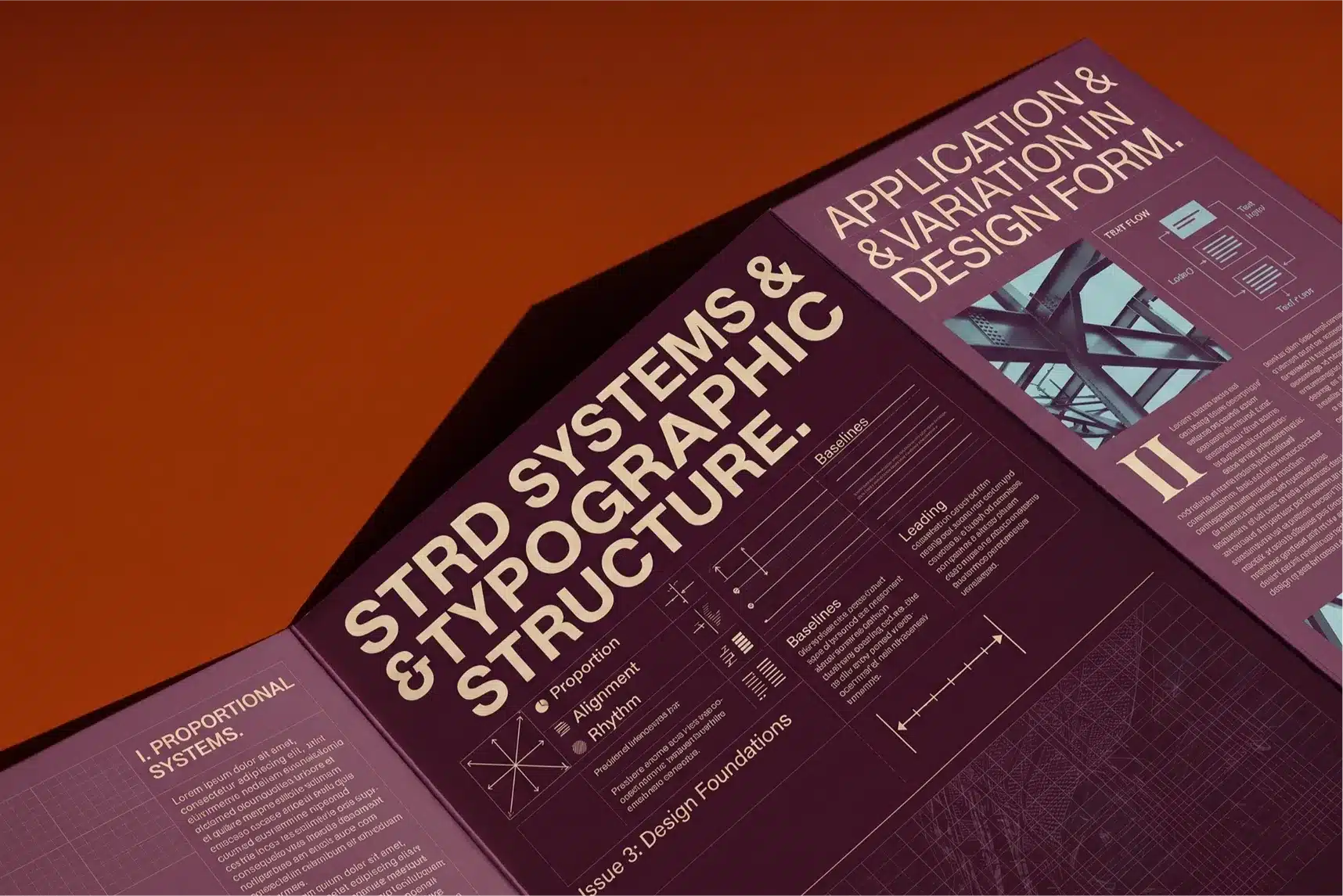
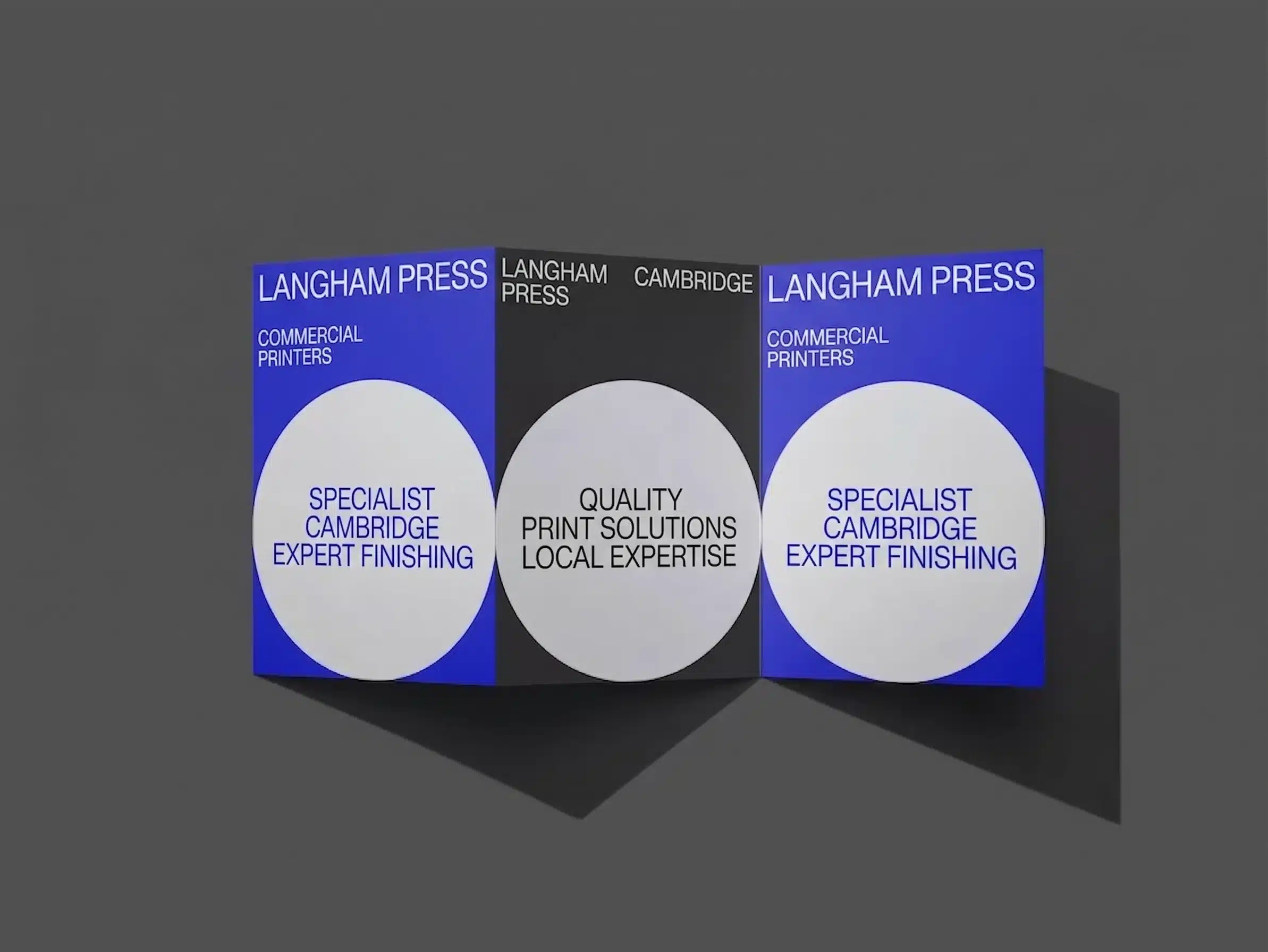
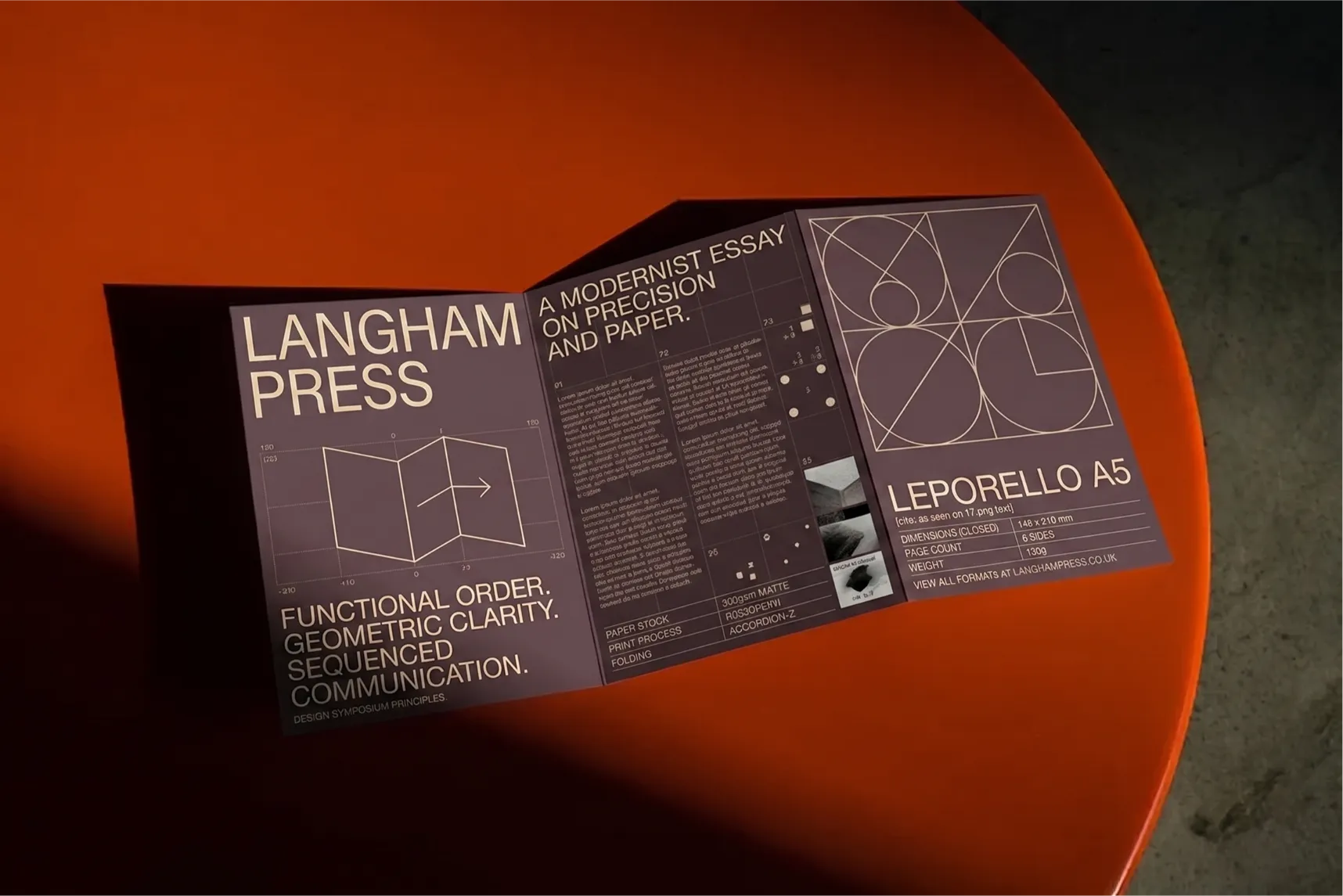
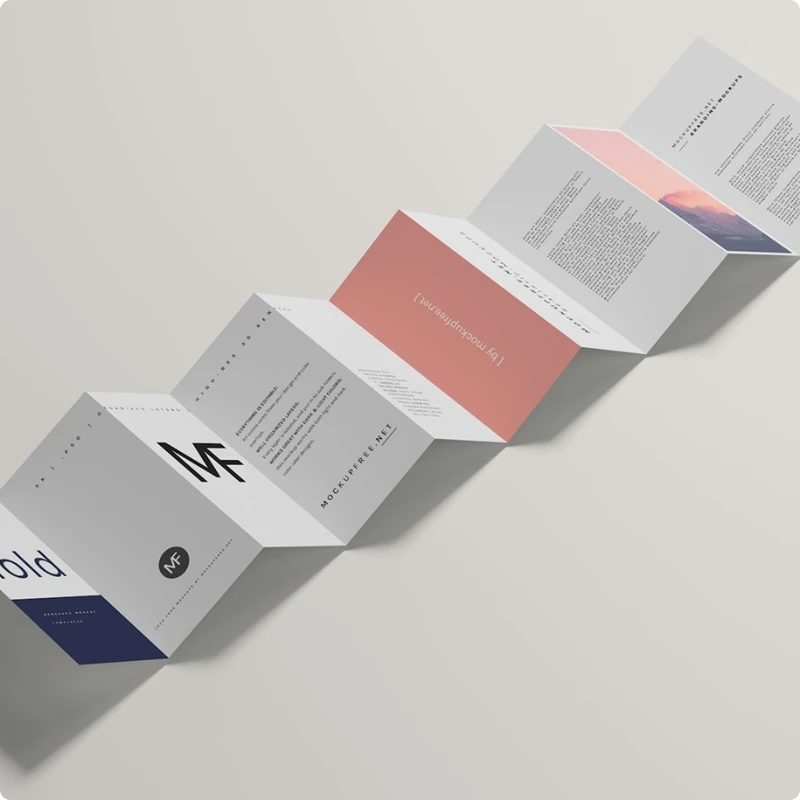
The fold decides how your content is revealed. A flat sheet puts everything in view at once, which suits a single offer or message. A half fold gives you four panels and a natural front cover. Roll and Z-folds give six panels, useful for a sequence of steps, a set of services or a programme, with the Z-fold opening flat and the roll fold revealing one panel at a time. A gatefold opens from both edges to a central panel, so it suits a headline product or image.
Folding affects the artwork layout, so it's worth deciding the format before the design is built rather than after. We'll supply a folding template if your designer needs one.
Folding affects the artwork layout, so it's worth deciding the format before the design is built rather than after. We'll supply a folding template if your designer needs one.
Lamination protects the printed surface and deepens colour, so leaflets hold their appearance through handling, posting and display. Matte film gives a soft, non-reflective finish. Gloss lifts colour and contrast. Biodegradable film is available where you'd rather avoid plastic.
Lamination is worth considering for anything that will be handled repeatedly, kept for reference or exposed to moisture, such as menus, price lists and takeaway material. For short-life leaflets and high-volume distribution, an unlaminated stock usually makes more sense.
Lamination is worth considering for anything that will be handled repeatedly, kept for reference or exposed to moisture, such as menus, price lists and takeaway material. For short-life leaflets and high-volume distribution, an unlaminated stock usually makes more sense.
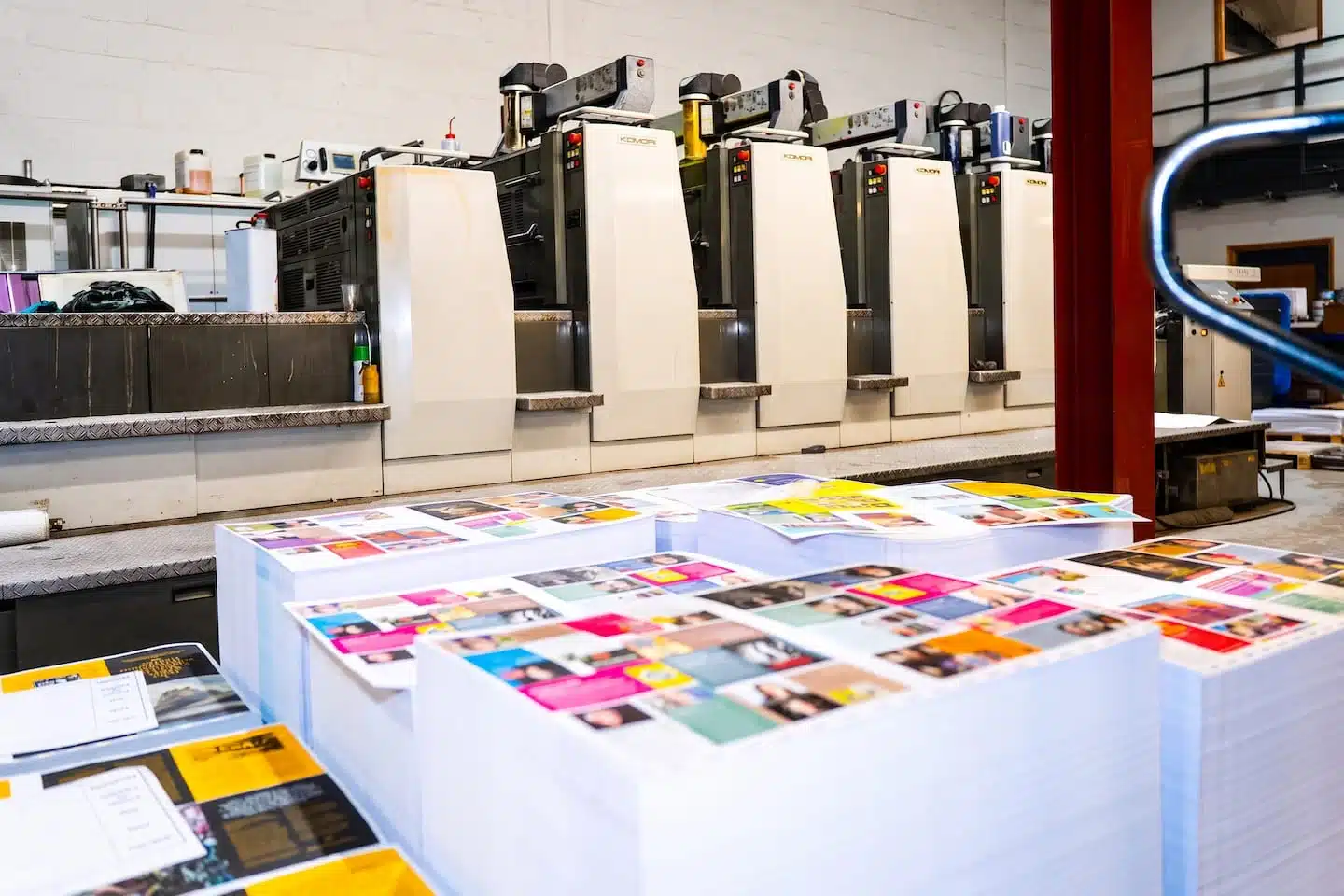
Leaflets and flyers are printed digitally or lithographically depending on quantity, size and finish. Shorter runs go digital, which keeps setup costs out of the price and turnaround short. Larger runs go litho, where the cost per copy drops sharply once the press is running.
Made for how you'll use them

Made being kind to the environment
FSC®-certified flyers and leaflets are available on request.
Recycled paper stocks are available for businesses looking to make more environmentally conscious choices in their printed materials.
Leaflets & flyers are printed using vegetable-based inks as standard.
Our pledge to be Eco-Friendly printers
Sustainability isn’t a buzzword for us it’s a core commitment. FSC®-certified print available on request, alongside recycled paper options, vegetable-based inks, 100% renewable electricity and our waste-reduction initiatives. Carbon-balanced papers available through partnerships with paper suppliers offsetting emissions from paper production and distribution.
Learn more




Frequently asked questions
Don't see your questions answered?
Contact our team and we'll be happy to discuss your query.
Contact our team and we'll be happy to discuss your query.
Contact Us
Lithographic printing (litho for short) is a traditional method where your design is transferred onto metal plates, then rolled onto paper through a press. Because the ink is mixed and applied properly rather than fused on top like digital, you get sharper detail, richer colour and brilliant consistency across a whole run. It's the method behind most high-quality brochures, books and reports. The trade-off is setup time, so it suits larger quantities rather than one or two copies.
It comes down to how the ink gets onto the paper. Digital prints straight from a file, so it's fast, flexible and ideal for shorter runs or quick turnarounds. Litho uses metal plates and a press, which takes longer to set up but gives you sharper detail, richer colour and brilliant consistency across a big run. As a rule of thumb: small quantities or tight deadlines, go digital; larger runs where quality really matters, go litho. Not sure which you need? Tell us about the job and we'll point you the right way.
It depends on the product and the print method. Digital printing lets us run small quantities cost-effectively, so there's no big minimum. Litho needs a larger run to make the setup worthwhile. The best thing to do is tell us what you're after and we'll let you know the most sensible quantity for your budget.
Quickly. Send us the details of your job and we'll get a quote back to you fast, usually the same working day. The more you can tell us upfront (quantity, size, paper, finish), the quicker and more accurate it'll be.
Not really, it depends on quantity. Litho has a setup cost upfront (making the plates), so for small runs digital usually works out cheaper. But once you're printing in bulk, the cost per copy drops sharply and litho often becomes the better value, as well as the better quality. As a rough rule: small run, go digital; large run, litho usually wins on both price and finish. Tell us what you need and we'll advise honestly on which makes more sense.
Yes. For most jobs we can provide a proof so you can check everything is right before we print the full run. It's the best way to be confident the colour, layout and finish are exactly what you expect. Just ask when you get your quote.
Simple. You tell us what you need and we send a quote. Once you're happy, you send your artwork (or we help you get it print-ready), we provide a proof for sign-off, then we print, finish and deliver. We'll keep you updated at each stage, so you're never left wondering where your job is.
Very. Sustainability is something we genuinely care about, not just a box we tick. We use FSC-certified and recycled paper stocks, eco-friendly processes, and work hard to reduce waste across the business. If green credentials matter to you (or your funders), we're a printer you can feel good about using.
Get a quote for flyers and leaflets
Tell us what you need and we'll come back with pricing and turnaround, usually within one working day.